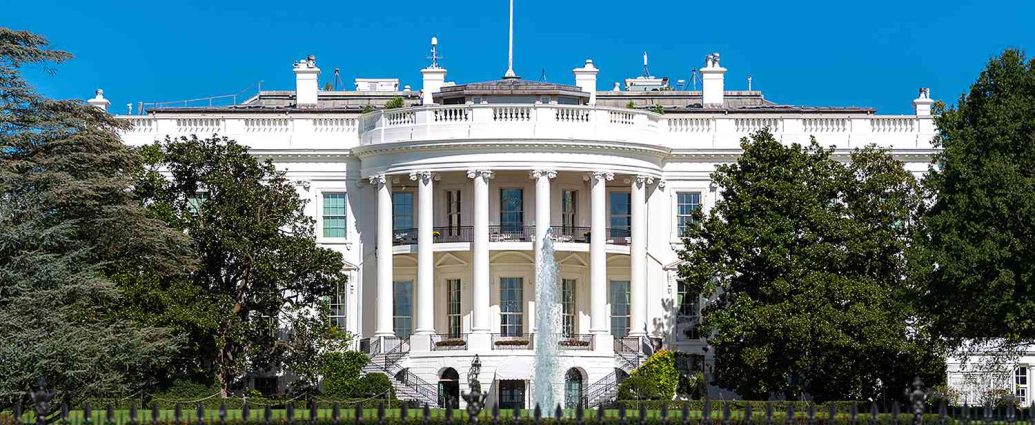
On Wednesday, US legislators passed a broad military policy measure, indicating unwavering bipartisan support for Europe and delivering a searing rebuke of President Donald Trump’s increasingly antagonistic approach toward NATO and America’s closest allies.
The $900 billion National Defense Authorization Act (NDAA) is sent to the White House after a comfortable 77-20 Senate vote, bringing one of Congress’s few surviving rituals of cross-party collaboration to a conclusion as foreign policy divides harden elsewhere in Washington.
“We ask a lot of the courageous Americans who serve in uniform. And they donate generously,” Republican Senate Majority Leader John Thune stated ahead of the vote.
“And I’m proud that this year’s National Defense Authorization Act will help ensure that they have what they need to keep America safe in a dangerous world.”
The decision in the upper chamber follows House ratification last week and comes amid concern in European capitals over Trump’s rhetoric, particularly after the recent White House national security plan portrayed Europe as over-regulated, culturally adrift, and inadequately dedicated to its own defense.
The approach questioned the continent’s strategic significance and publicly mimicked concepts championed by far-right parties, raising concerns about a spreading transatlantic divide.
The NDAA, on the other hand, indicates Congress’ willingness to firmly establish the United States’ presence in Europe.
The measure prohibits US soldier numbers on the continent from falling below 76,000 for more than 45 days and forbids the removal of important military equipment, thereby limiting the administration’s ability to implement a quick drawdown.
It also provides more resources to frontline NATO members, notably in the Baltic region, strengthening the alliance’s northeastern border.
The proposal allocates around $8 billion more than the administration asked, demonstrating legislative aggressiveness on defense priorities.
Beyond Europe, the NDAA commits $400 million in security aid to Ukraine, trying to maintain a baseline of support even while wider budget discussions continue, and lays additional restrictions on any decrease in the 28,500 US forces stationed in South Korea.
As often, the NDAA garnered criticism from a variety of sources, including conservative critics of Ukraine aid and aviation professionals concerned about measures that might reduce essential air-safety rules for military planes operating in Washington’s restricted airspace.
But none came close to derailing a package that has long been seen as must-pass legislation.
Related posts:
 The United States has suspended its intelligence assistance to Ukraine. CIA director
 Biden advises UAW to demand a 40% wage increase during the Michigan strike visit.
 Trump, according to the border czar, would not disregard the judge’s decision regarding Venezuelan deportations.
 After the mayor of Istanbul was imprisoned, 15 million people cast ballots in the opposition primary: City Hall
 After talks with the government fail, PTI approaches parties.
 No decision on travel ban for Pakistanis has been made yet, according to a US official.
 US-Russia discussions about Ukraine begin in Saudi Arabia.
 Trump claims he’s not joking about the third presidential term.
 The 27th Constitutional Amendment will be tabled in the Senate today.
 Former ISI DG Faiz Hameed has been sentenced to 14 years in jail.
Cabinet passes two proposals to stifle online media.
I swear to God, I did not sign the legislation on Official Secrets and Army Amendments: President Alvi
Former ISI DG Faiz Hameed has been sentenced to 14 years in jail.
Cabinet passes two proposals to stifle online media.
I swear to God, I did not sign the legislation on Official Secrets and Army Amendments: President Alvi